
THEMATIC EXHIBITION AT THE LIGIA AND POMPILIU MACOVEI ART COLLECTION
The Posters of Ligia Macovei – A Means of Artistic Communication
From a documentary perspective, the poster represents an accessible source of information through which social, political, and cultural events are brought to the public’s attention. Over time, the poster became an art form as a result of developments in printing techniques and color reproduction, emerging as an efficient and expressive means of communication.
The posters created by Ligia Macovei were conceived as a direct form of integrating her graphic work into the social-political and cultural-educational sphere of importance at the time, aiming to engage millions of people in addressing issues considered essential in that period, many of them with antifascist themes and opposed to the Second World War. The poster drew closer to the reality generated by the events that followed 23 August 1944, highlighting the new role of workers and peasants in a society that aspired to be egalitarian. The years 1944–1948 represented a stage marked by multiple socio-political events. The propaganda after 1948 responded to the so-called major developments in industrialization, the modernization of agriculture, and the “shaping” of human thought.
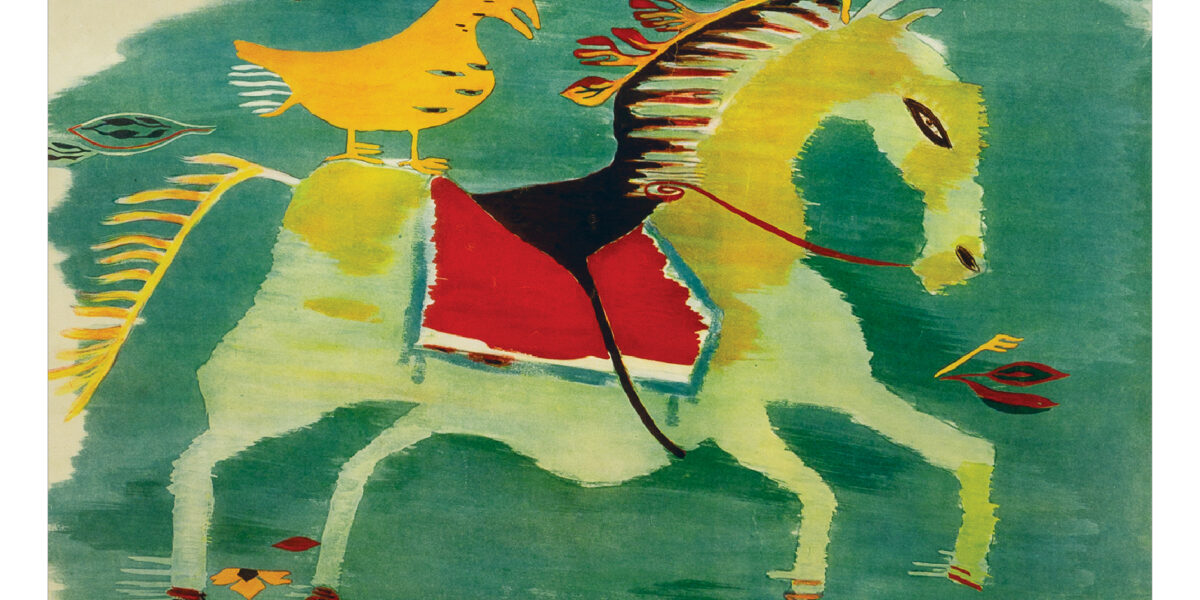
Like any complete and complex personality, Ligia Macovei also entered the artistic universe of the poster, which she approached with success, allowing art historians to study it and integrate it chronologically, historically, artistically, and culturally. An exceptionally talented draughtswoman, Ligia Macovei thus contributed to the enrichment of this genre of graphic art.
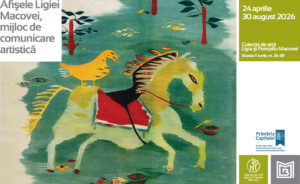
The exhibition to be opened at the Ligia and Pompiliu Macovei Art Collection, part of the Bucharest Municipality Museum, will highlight the expressiveness of the posters designed by Ligia Macovei, the importance of the artist in the development of poster graphics, as well as certain characteristics of the ways in which exhibition events were promoted.
Curators: Florentina Limban and Mirela Murariu, museum curators, Ligia and Pompiliu Macovei Art Collection, Art Department, MMB